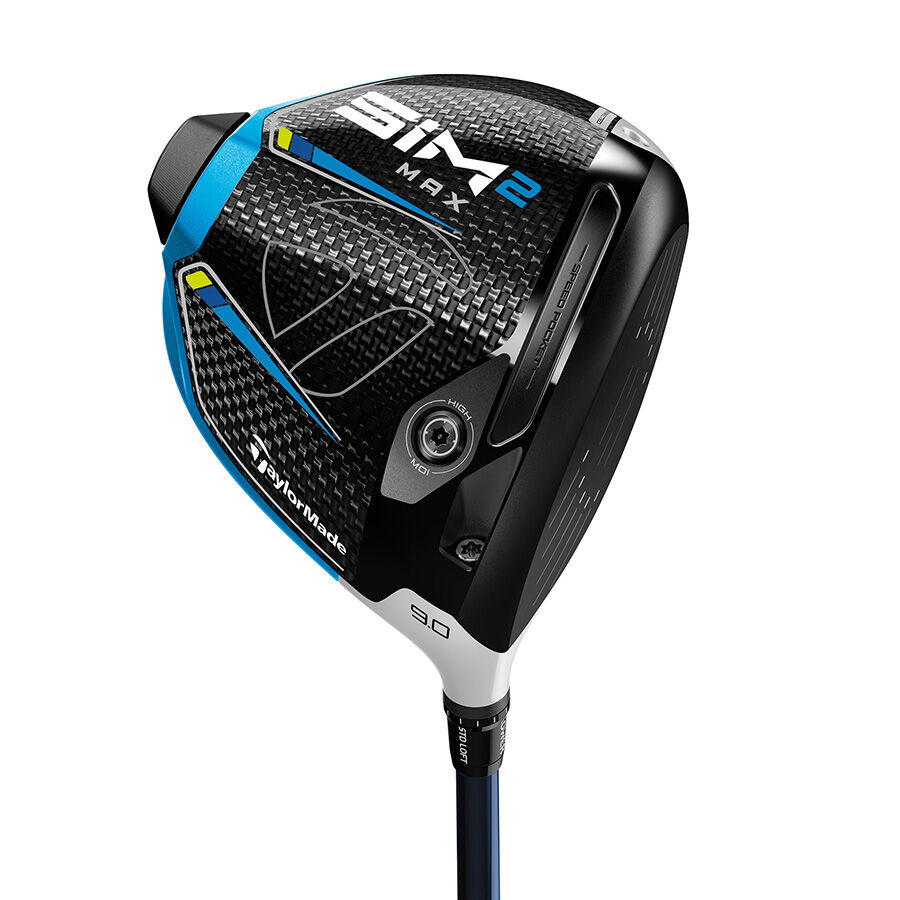
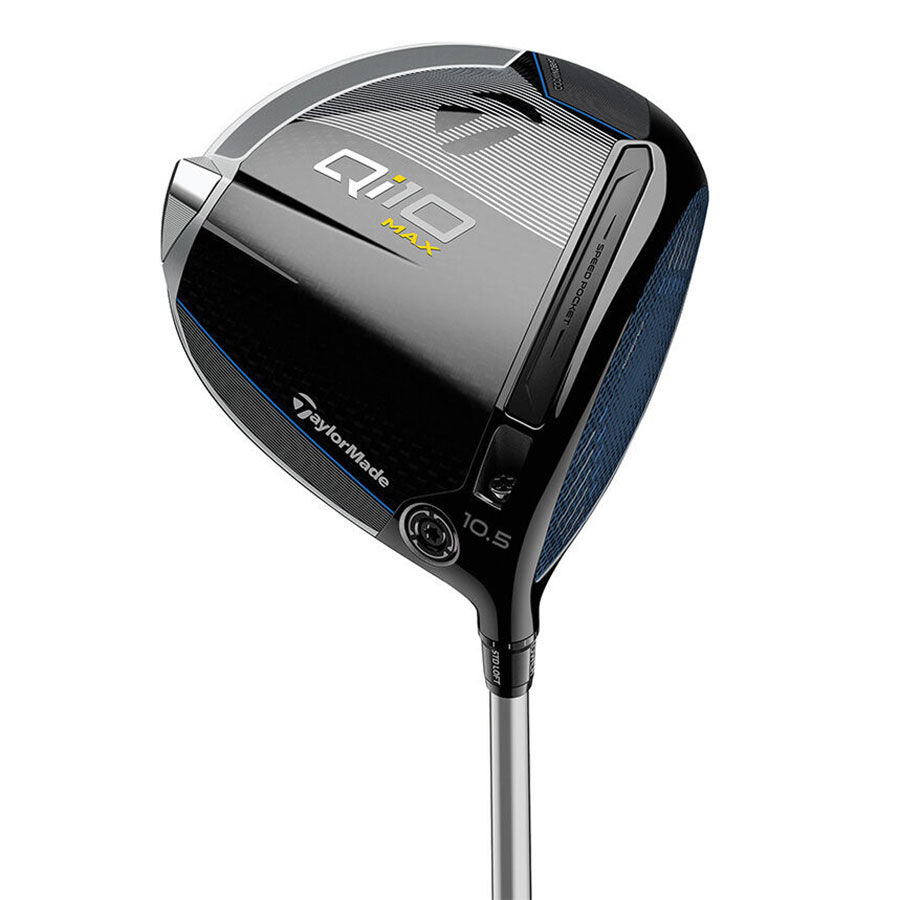
The biggest difference is ball flight. Reviewers describe the SIM2 Max as straight and consistent, and it sits between the fade-leaning SIM2 and the draw-biased Max D. The Qi10 Max tends to start right and draw back gently, which helps players whose miss goes right. Both are very forgiving. The Qi10 Max is noted for an especially tight left-to-right dispersion.
Feedback also differs. The SIM2 Max has a solid feel and a crisp sound that tells you where you hit the face. The Qi10 Max gives limited strike feedback, and testers disagree on its sound. On specs, the Qi10 Max has a carbon face instead of titanium, a more upright 58° lie (vs 56°) and a slightly shorter 45.5-inch length (vs 45.75 inches).
Choose the SIM2 Max Driver if…
you want a straight, consistent flight without a built-in draw tendency, plus a crisp sound and solid feel that tell you where you made contact.
Choose the Qi10 Max Driver if…
you're a mid-to-high handicapper or slower swinger who loses the ball to the right, and you want a gentle draw tendency and tight dispersion to hit more fairways.
Common questions
- Which has more draw bias?
- The Qi10 Max. Testers say its flight tends to start right and draw back gently. The SIM2 Max is described as straight, sitting between the fade-leaning SIM2 and the draw-biased Max D.
- Which is better for a golfer who fights a hook?
- The SIM2 Max is the safer choice. Reviewers warn that the Qi10 Max's draw tendency may not suit players who fight a hook, while the SIM2 Max flies straight.
- Which gives better feedback on mishits?
- The SIM2 Max. Its crisp sound tells you where you made contact, while the Qi10 Max is noted for giving limited feedback on strike location.
Written by golfclubase with AI from our summaries of published reviews and test videos and the makers' published specs (Oct 25, 2026).