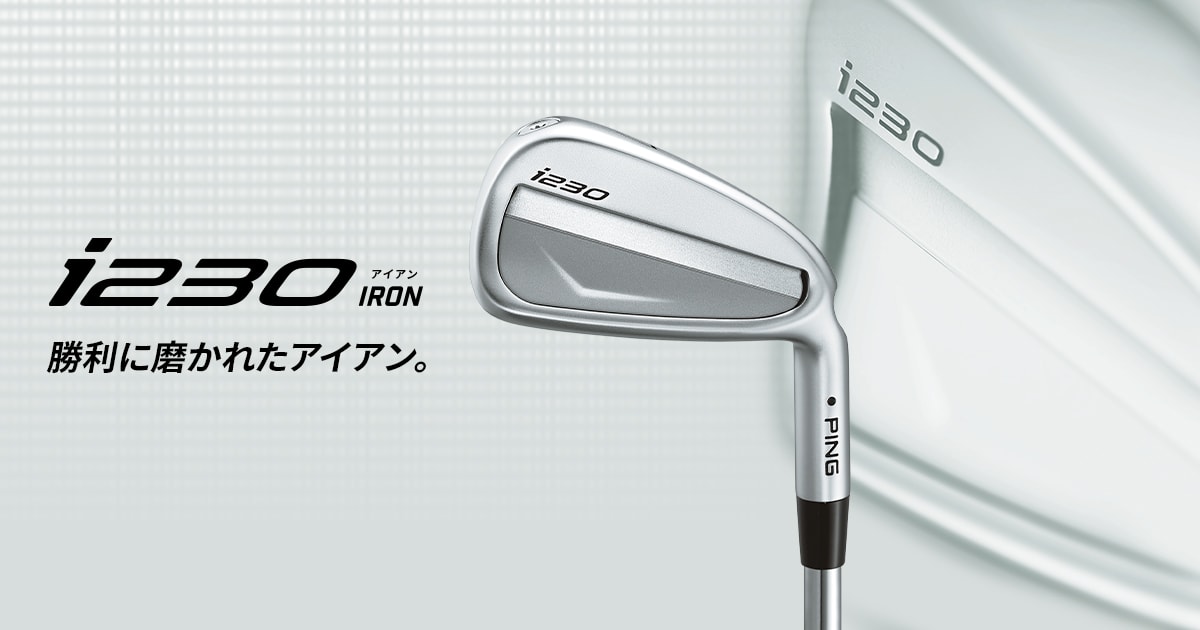
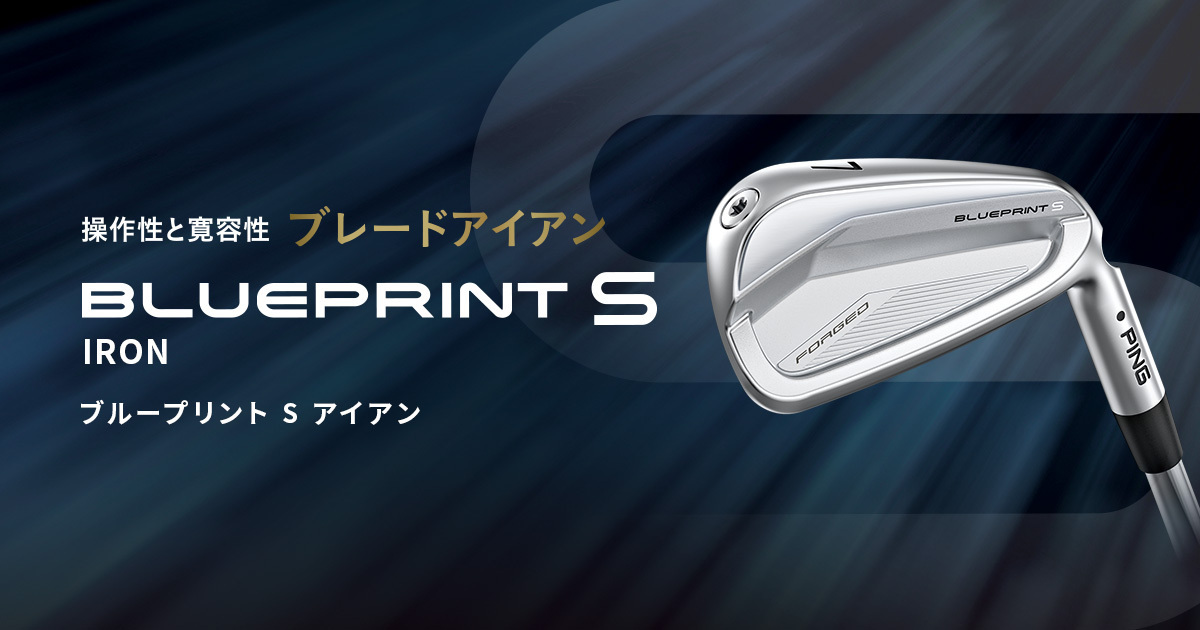
The biggest difference is how much help each iron gives. The i230 is a cast cavity-back that testers found more forgiving than a typical players' iron. Off-centre hits hold their line, and the flight tends to be high and fairly straight. The forged Blueprint S puts shot-shaping and trajectory control first. It has a thin topline and slightly less offset (0.08 vs 0.09 inches at the 7-iron).
Both feel soft and solid from the centre. Testers describe a quiet, muted sound on the i230. On the Blueprint S, heel and toe strikes feel and sound noticeably harsher, so it tells you clearly where you made contact. Testers were split on distance for both irons, so a fitting is worth it either way.
Choose the i230 Irons if…
you're a single-figure to about 15 handicapper who wants a players' iron that feels close to forged but forgives mishits, with a high, fairly straight flight.
Choose the Blueprint S Irons if…
you're a skilled ball striker who wants a forged iron with minimal offset that is easy to shape both ways, and you don't mind harsher feedback when you miss the centre.
Common questions
- Which is more forgiving?
- The i230. Testers found it more forgiving than most players' irons. The Blueprint S gives more help than its blade-like shape suggests, but it is still a players' iron.
- Which is better for shaping shots?
- The Blueprint S. Reviewers agree it is easy to shape both ways and to control trajectory. The i230 can be shaped too, but its flight tends to be high and fairly straight, and misses usually go right.
- Can I combine the two in one set?
- Yes. The Blueprint S overview suggests higher handicappers blend it with something like the i230 in the long irons, where the Blueprint S may launch lower.
Written by golfclubase with AI from our summaries of published reviews and test videos and the makers' published specs (Oct 25, 2026).